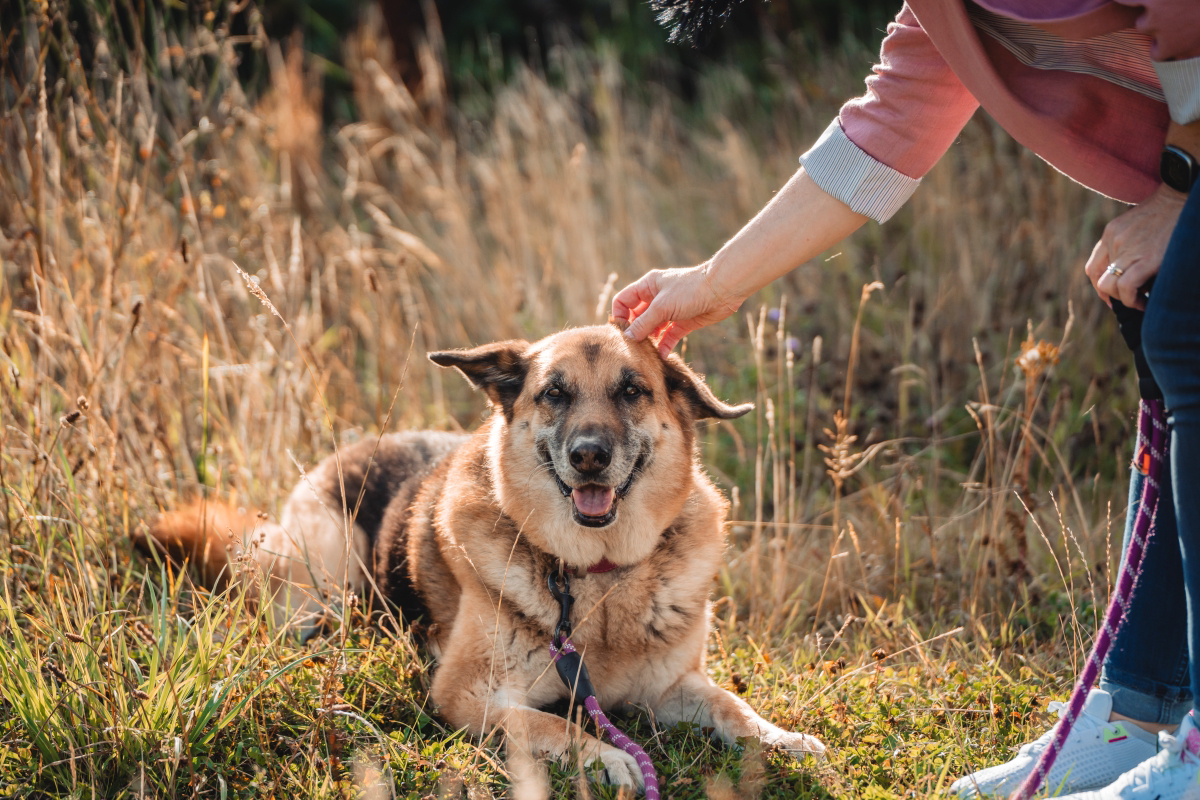
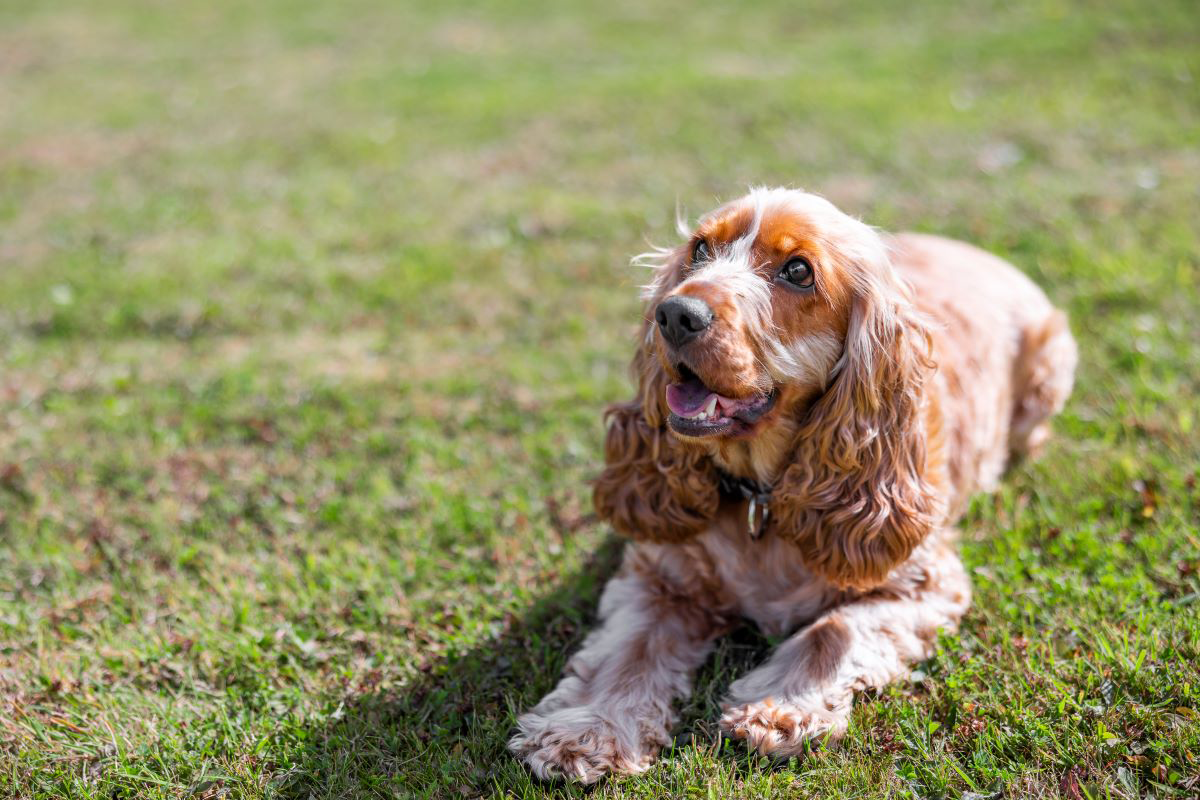
Dogs with arthritis may show subtle changes such as slower movement, difficulty getting up, reduced playfulness or behaviour changes before obvious limping appears.
Arthritis in dogs often develops gradually, and the early signs can be easy to miss. Many owners only recognise a problem once limping or stiffness becomes obvious, but joint changes frequently begin much earlier. Understanding the more subtle indicators can help you speak to your vet sooner and support your dog’s comfort and mobility. [4,12]
What Is Arthritis in Dogs?
Arthritis, also known as osteoarthritis or degenerative joint disease, is a long-term joint condition in which cartilage, the protective tissue cushioning the ends of bones, gradually breaks down. As cartilage wears away, joints become less able to absorb everyday forces, leading to inflammation, pain and stiffness over time. The condition is progressive, meaning it tends to worsen gradually rather than resolve on its own, and it requires veterinary assessment and ongoing management to help dogs maintain the best possible quality of life. [1,5]
Arthritis is one of the most common chronic conditions in dogs. Research suggests it affects around 20% of dogs over one year of age, and structural joint changes may be present well before obvious signs appear. [2] Understanding what to look out for can help you act earlier, and earlier management is associated with better long-term comfort and mobility outcomes.
What Are the Signs of Arthritis in Dogs?
The earliest signs of arthritis in dogs are often subtle and may include reduced activity, stiffness after rest, behavioural changes and difficulty rising, even before obvious limping appears.
In one large clinical study, only 43% of dogs diagnosed with osteoarthritis were reported to show obvious lameness at presentation, highlighting how frequently the condition can go unnoticed in its early stages. [13]
Bilateral joint involvement was identified in over 60% of affected dogs in the same study, which can make gait changes appear symmetrical and therefore harder for owners to recognise. [13]
Dr Hannah Capon BVetMed MRCVS, founder of Canine Arthritis Management, notes that behavioural change, including anxiety, fear or becoming less tolerant of touch or handling, may appear before obvious physical signs like limping. In addition, dogs often adjust how they sit, stand or move to continue daily activities, which can mask early discomfort.
As Dr Capon explains, "They adapt their posture to continue daily activities, but the pain causes muscle deterioration and other changes that make treatment harder later on." [6]
Early behavioural changes reported by owners may be wide-ranging and subtle, sometimes appearing before noticeable physical differences. [15] Reduced activity levels were reported in 71% of dogs later confirmed to have osteoarthritis, even when lameness was not the primary complaint. [16]
Physical Signs of Arthritis in Dogs
- Lameness or limping, which may vary from day to day and be subtle in dogs with both-sided joint disease [13]
- Changes in gait, ranging from slight alterations in movement to more obvious limping [5] Objective gait analysis studies have shown that up to 65% of dogs with osteoarthritis have measurable weight-bearing asymmetry, even when visible limping is mild or intermittent. [18]
- Muscle loss
- Weight gain
Behavioural Signs of Arthritis in Dogs
Professor Daniel Mills BVSc PhD CBiol FRCVS, a veterinary behavioural medicine specialist, explains that chronic joint pain often shows first as subtle behaviour change rather than clear lameness. He notes that reduced playfulness, altered sleep patterns and increased irritability are frequently early indicators of discomfort in dogs with osteoarthritis. [20]
Some further behavioural changes to watch out for are:
- Reduced energy or reluctance to exercise
- Lower exercise tolerance
- Difficulty standing up or sitting down
- Sitting in unusual positions or preferring certain resting surfaces
- Difficulty with stairs or jumping
- House-soiling accidents
- Reduced playfulness
- Nervousness, anxiety or irritability
In a behavioural assessment study, 56% of dogs with chronic joint pain showed decreased willingness to jump, and 49% demonstrated altered sleeping patterns compared with healthy controls. [17] These changes are often mistaken for normal ageing rather than possible signs of joint discomfort, which can delay that all-important early diagnosis. [15].
How Common Is Arthritis in Dogs?
Osteoarthritis affects a significant proportion of adult dogs, with research showing measurable joint changes in both older and younger age groups.
In UK primary-care data, osteoarthritis was confirmed in 4,196 dogs from a population of over 455,000, making it one of the most frequently diagnosed chronic conditions in veterinary practice. [2] Studies of the UK dog population show it affects around 20% of dogs over one year old, with higher rates seen in some medium and large breeds. [2,3]
However, arthritis is not a condition seen in just older dogs. Research in young dogs aged 8 months to 4 years found that nearly 40% had joint changes visible on X-rays consistent with arthritis. Within that cohort, nearly one in four dogs (23.6%) met criteria for clinical osteoarthritis based on pain scoring rather than imaging alone. As early signs can be subtle and may be mistaken for normal behaviour changes, many of these cases had not yet been recognised by owners. [4,12]
Certain dogs are more prone to developing arthritis due to genetic factors, while bodyweight also plays an important role. Dogs carrying excess weight have an increased risk of joint disease and may experience greater strain on affected joints. [5,14]
When Should I Contact My Vet?
You should contact your vet if your dog shows persistent stiffness, reluctance to exercise, behavioural changes or difficulty rising that lasts more than a few days. They can advise on the most appropriate treatment plan, helping to ensure your dog lives its best possible life. Structured owner questionnaires have been shown to correctly identify approximately 88% of dogs with osteoarthritis, demonstrating that subtle signs can be detected earlier when specific behaviours are assessed systematically. [12]
Why Early Detection Matters
Early detection of arthritis allows earlier pain management and lifestyle adjustments, which are associated with better long-term comfort and mobility outcomes.
Although young dogs can develop arthritis, it is often diagnosed later in life. This means signs of joint discomfort may have been present for some time before help is put in place. Chronic osteoarthritis pain has been associated with significant reductions in quality-of-life scores, with over 70% of affected dogs showing measurable behavioural impact in validated assessment tools. [16]
Professor B. Duncan Lascelles BVSc PhD CertVA DSAS(ST) Dipl ECVS MRCVS, a veterinary pain specialist, explains that chronic pain in dogs is frequently under-recognised because it presents as behavioural adjustment rather than dramatic limping. He emphasises that early identification improves long-term comfort and mobility outcomes. [19]
The earlier signs are spotted, the sooner your vet can create a treatment plan to manage the condition. While there is no cure for arthritis, many dogs can still enjoy a good quality of life with ongoing care that adapts as their needs change.
How Can I Help My Dog if I Notice These Signs?
If you notice possible signs of arthritis, it is important to speak to your vet. A professional assessment is needed to confirm the cause of your dog's symptoms and rule out other conditions that can cause similar changes.
How Arthritis is Managed
Arthritis management is individual and may change over time as the disease progresses and your dog ages. Below are some options available to manage the disease, which can be used in unison to form a multimodal approach. [3]
Pain medication – Pain relief is one of the key pillars of arthritis management. There are different types of pain-relieving medicines, including monoclonal antibody therapies. These target specific pain pathways involved in osteoarthritis, such as nerve growth factor. By acting in a targeted way within the pain system, these treatments can help reduce chronic joint pain. Your vet will decide which approach is most suitable for your dog. [5]
Weight management – Maintaining a healthy weight reduces strain on joints and can make movement more comfortable. [8,9]
Controlled exercise and physiotherapy – Research indicates physiotherapy may support mobility and comfort, particularly when combined with weight management and appropriate exercise. [10]
Exercise modifications – Your vet can help tailor your dog's activity levels to balance movement with comfort.
Hydrotherapy – Hydrotherapy may support joint movement and muscle strength and may contribute to comfort in some dogs. [10,11]
Surgery – In some severe cases, your dog may need surgery. Your vet will advise if this is appropriate.
Frequently Asked Questions
The earliest signs of arthritis in dogs are often subtle and can be easy to overlook. They may include stiffness after rest that eases once your dog starts moving, a slower pace on walks, reluctance to jump or use stairs, difficulty rising from lying down, and behaviour changes such as reduced playfulness, irritability or altered sleeping patterns. Obvious limping is frequently absent in the early stages. In one clinical study, fewer than half of dogs with confirmed osteoarthritis showed clear lameness at first assessment. [13]
Slowing down is not simply a normal part of ageing; it can reflect ongoing joint discomfort that can be assessed and managed. If your dog is stiffer after rest than they used to be, reluctant to exercise or engage in activities they previously enjoyed, changing how they sit or lie down, or becoming grumpy when touched in certain areas, these changes may point to arthritis rather than age alone. The best way to find out is to speak to your vet, who can carry out a physical examination and advise on the most appropriate next steps.
Arthritis in dogs is diagnosed through a combination of your dog's history, a physical examination and, in many cases, X-rays to assess changes in the joints. There is no single definitive test. Structured owner questionnaires have been shown to correctly identify approximately 88% of dogs with osteoarthritis, helping vets detect the condition earlier even when signs are subtle. [12] As the degree of joint change visible on imaging does not always reflect the level of discomfort a dog is experiencing; your vet will draw on several sources of information to build a full picture.
Yes. Arthritis can cause a range of behavioural changes in dogs, including irritability, reduced tolerance for handling, lower activity levels, changes in sleeping patterns, and a reluctance to engage in activities they previously enjoyed. These changes often appear before obvious limping. In one study, reduced activity levels were reported in 71% of dogs later confirmed to have osteoarthritis, even when lameness was not the primary complaint. [16] If your dog's behaviour has changed without a clear reason, it is worth speaking to your vet.
No. Obvious limping is frequently absent, particularly in the early stages of arthritis. In one clinical study, fewer than half of dogs with confirmed osteoarthritis showed clear lameness at presentation. [13] When more than one joint is affected, dogs may move symmetrically, making changes harder to spot. Signs such as stiffness, behavioural shifts and reduced activity may be more reliable early indicators than limping alone.
If you notice ongoing mobility or behaviour changes that last more than a few days, it is best to speak to your vet rather than waiting. Early assessment allows the cause to be identified, and a management plan put in place sooner, which is associated with better long-term comfort and mobility outcomes.
Yes. Although arthritis is more common in older dogs, younger dogs can develop it, particularly if they have joint injuries or developmental joint conditions. Research found that nearly 40% of young dogs aged 8 months to 4 years had joint changes consistent with osteoarthritis on X-ray, with many owners unaware of a problem. [4,14]
Yes. Signs of arthritis can vary from day to day and may appear worse after activity or after prolonged rest. Some dogs have periods of relative comfort followed by episodes of increased stiffness or reluctance to move. This fluctuation is a recognised feature of the condition and does not mean it has resolved — it reflects natural variation in joint inflammation and nerve sensitivity over time. [13] If you notice a significant worsening that lasts more than a few days, speak to your vet.