


Amici Pet Hospital

Arthritis 'tails'

A Joint Effort Logo

Taking care of a dog diagnosed with arthritis can feel challenging, but you're not alone. Up to 40%* of dogs will develop arthritis at some point in their lives, and many pet owners across the UK are already on this journey.

Spotting the signs early, exploring all of the treatment options, and adjusting daily routines can make all the difference. The more you know, the better prepared you’ll be to give your dog the comfort and care they deserve.

Text "Living well with arthritis 1" with orange swirl on white background.
Molly rescued me. Now it's my turn to look after her.

A real-life story on the importance of canine arthritis

After a canine arthritis diagnosis, Molly's owner is helping her stay happy, healthy and mobile. Learn how.

Related Content

How to manage arthritis flare ups in dogs
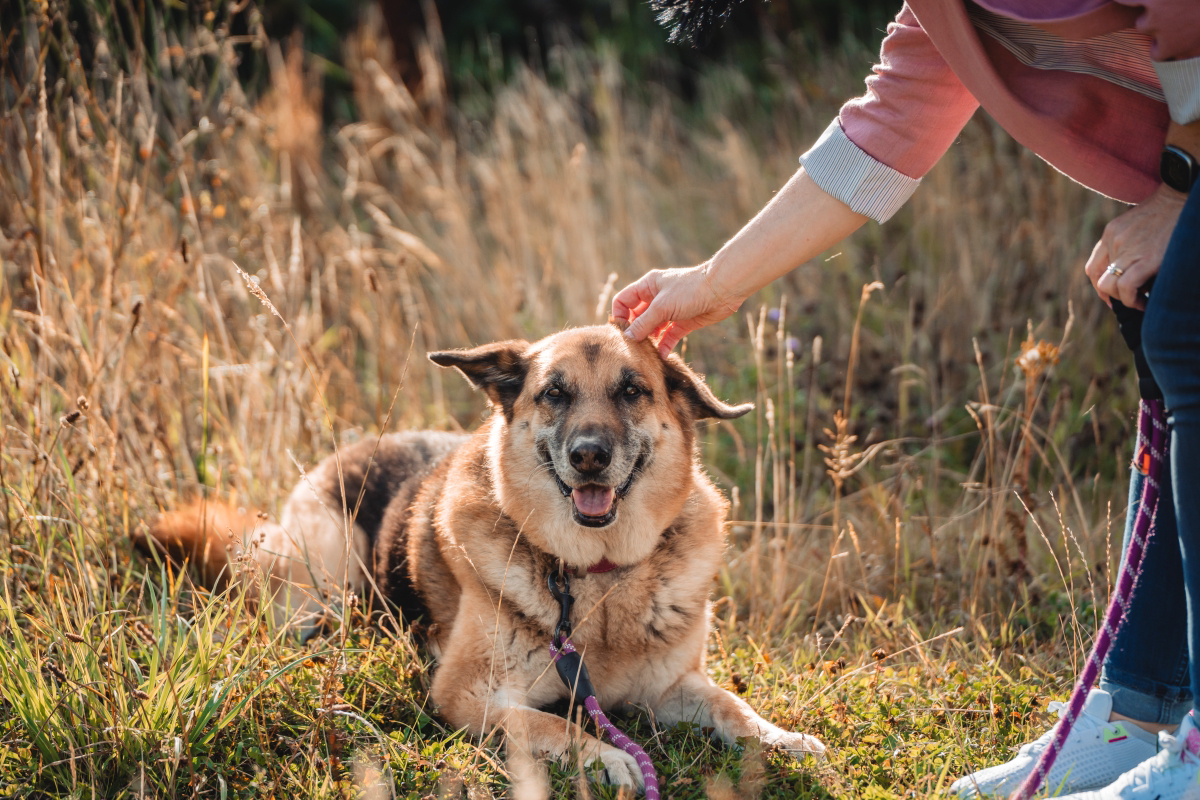
Person petting a happy German Shepherd lying in a grassy field.

How to manage arthritis flare ups in dogs

Dogs with arthritis can have good days and bad days, much like their human counterparts, and with any chronic condition there may be days where your dog experiences a flare up (sudden re-appearance of their symptoms) and these need to be managed to keep your dog as comfortable as possible.


Why spotting the early signs of arthritis in dogs makes such a difference
Woman in leather jacket holding a small dog on a bench.

Why spotting the early signs of arthritis in dogs makes such a difference

Arthritis is a progressive and painful joint condition that's estimated to affect 2 out of every 5 dogs. It causes inflammation, pain, stiffness and other uncomfortable symptoms that can negatively impact your dog's quality of life. But why is it important to recognise arthritis early, and what are the signs to watch out for?

Your dog’s arthritis vet check: a step-by-step guide for pet parents
A golden cocker spaniel being held in someone's arms.

Your dog’s arthritis vet check: a step-by-step guide for pet parents

If you suspect that your dog has arthritis, it's natural to feel worried about how you can help. After all, every pup parent wants their dog to live a comfortable, pain-free life well into their golden years.