Dog Skin Conditions
Itching can be one of the most challenging health problems in dogs. We’ll help remove some of the mystery around why your dog is itching. You and your vet can then diagnose the cause of the itch and help select the appropriate treatment plan.
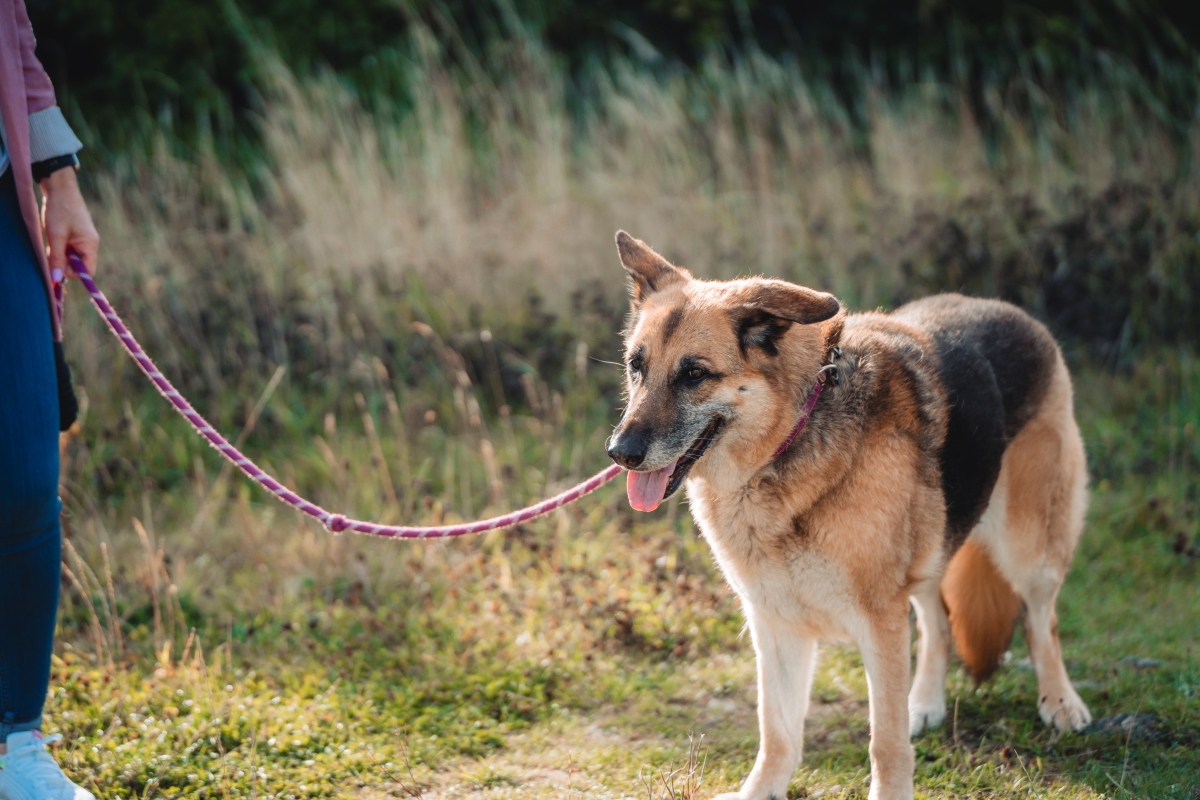
7 MAIN CAUSES OF ITCH
Most skin and coat abnormalities fall under one of the below categories:
Seasonal Itches
The time of year your pet is most itchy may help pinpoint the cause and how best to treat it. Spring may bring on allergies, whereas winter can induce dry skin…
Summer Itching
As warmer weather kicks in so do skin sensitivities in dogs. Heat and humidity increase the allergens in the environment, often causing skin irritation. Pollen is usually the worst culprit along with stinging insects.
Apoquel® could be a solution. Unlike steroids, Apoquel directly targets the itch at its source. It acts fast, reducing itch on the first day, with fewer side effects.
Spring Itching
The most common causes of itchy skin that start in the spring are environmental allergies like fleas or pollen. A dog with allergies will be scratching and itching a lot especially around the face, paws, belly and ears. This usually lasts through summer too.
Simparica® is a great option for flea control. Simparica can be strategically used for dogs with flea allergy dermatitis (FAD). It starts killing fleas after 3 hours and kills all fleas in 8 hours. It also protects against ticks and mites.
Winter Itching
Winter weather and indoor conditions such as mould, heating and low levels of humidity cause skin irritation. Flaky, irritated skin as well as excessive grooming and scratching are signs that your dog is suffering. Brushing and bathing can help and shampoos for sensitive skin are recommended. However, if the problem persists and is getting worse this will need veterinary treatment.
Cytopoint® treatment can help to manage the itch over winter if your dog is itchy due to atopy. Cytopoint helps reduce the scratching, chewing, licking and biting at the skin. This means that the skin can heal and your dog will enjoy the fun things in life again.
Environmental
Dogs may be sensitive to grasses, plants, pollens or even plastics. They can also be allergic to fibres or cleaning products around home or in their bedding.
Nutritional
Some dogs are allergic to products commonly found in pet foods like beef, dairy, and wheat. A low allergen, novel protein diet and certain supplements may help in these cases.
Parasitic
The normal reaction when an owner sees their dog itching is “fleas!”. Repeated exposure to fleas can trigger a hypersensitivity reaction which looks like an allergy. Various ticks and mites can also bury into the skin and cause excessive itching.
Allergic
The most challenging to pinpoint and diagnose, allergies can also be difficult to treat. Food ingredients, synthetic and natural fibres, medications, plant materials and dust mites can all trigger allergic dermatitis.
Neurogenic
A major challenge to diagnose and treat, often diagnosed when all other options have been ruled out. Triggers can cause an impulse in the dog to lick or chew a target area of skin which can then cause deep bacterial infection. A specialist dog dermatologist or behaviourist may be a dog’s best friend in these extreme cases.
Infectious
Skin infections are often so irritating that the dog will lick continuously at the affected area making it impossible to heal. Treatment often includes clipping hair from the area to assist drying and application of topical medications from your vet, with possible oral antibiotics to fight organisms invading the skin.
Explore more on these topics



Select a country and language
Regulatory constraints and medical practices vary from location to location. Consequently, the information provided on the site in which you enter may not be suitable for use at your location.
Asia Pacific


Europe

België
Nederlands
Belgique
Français

Deutschland
Deutsch

Ελλάδα
Ελληνικά

España
Español

France
Français

Ireland
English

Italia
Italiano

Magyarország
Magyar

Nederland
Nederlands

Polska
Polski

Portugal
Português

Romania
Romanian

Sverige
Svenska

United Kingdom
English
Latin America

Argentina
Español

Brasil
Português

Chile
Español

Colombia
Español

Ecuador
Español

México
Español

Perú
Español
